
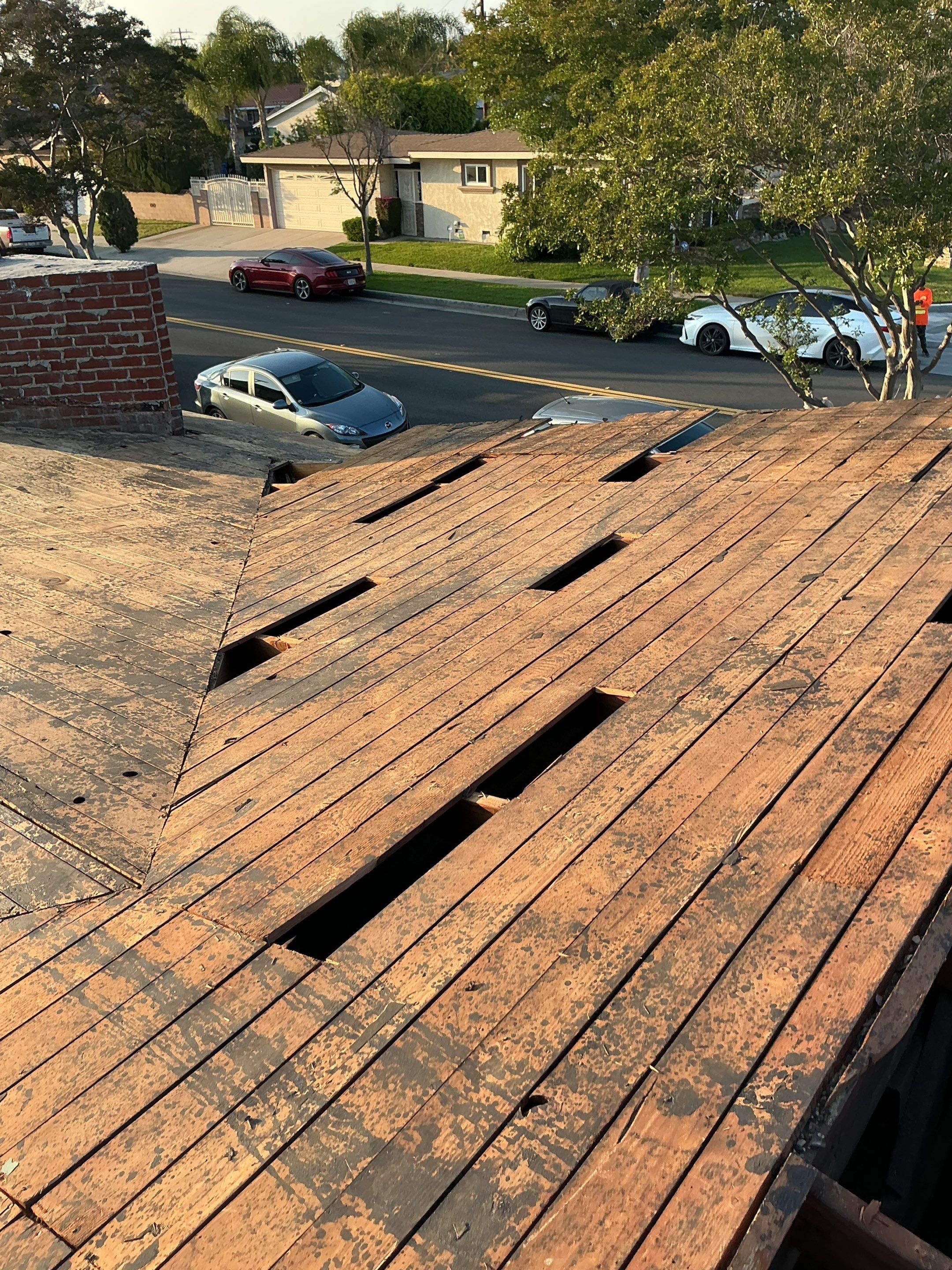
A change order is a written agreement that outlines extra work and additional costs that weren’t part of the original contract. In roofing, one of the most common reasons for a change order is damaged wood—usually the decking (that’s the wooden surface under your shingles).
The thing is, a contractor can’t always see what’s going on beneath your old shingles until they start tearing things off. It’s like pulling up old carpet and discovering that the subfloor is rotted. Surprise!
But surprises on a roofing job don’t have to be total surprises—and that’s where smart contract terms come in.
Why It Matters to List Potential Change Order Pricing Up Front
Transparency. Trust. Less stress. Those are the three big wins of listing potential change order pricing directly in your roofing contract’s terms and conditions.
Here’s how it helps you as a homeowner:
1. No Sticker Shock
Let’s say your contractor tears off your old shingles and finds 4 sheets of decking that need replacing. If your contract clearly says, for example, “$95 per sheet of damaged decking replaced,” then you already know what that’ll cost. No wild guesses. No awkward conversations. No mid-project panic.
2. You Can Budget Smart
Even if you’re financing or putting it on a credit card, knowing the potential range of extra costs helps you plan. You might say, “OK, I’ll set aside an extra $400–$600 just in case,” and if you don’t need it? Great! But if you do, you’re not scrambling.
3. You’ll Spot a Professional Contractor
Good contractors don’t shy away from outlining potential costs up front. They want you to feel secure, not blindsided. So if your roofer walks your property, checks your attic, and says, “Hey, we might have some decking issues—let me write up a per-sheet price in the contract,” that’s a good sign. It shows they’re being proactive, not reactive.
Real Talk: How to Know If You Might Have Damaged Wood
While a full inspection can’t be done until tear-off, here are some red flags your contractor should mention if they notice:
- Sagging rooflines
- Dark spots or water stains in your attic
- Soft spots underfoot if you’ve walked on your roof
- Signs of past leaks or improper ventilation
If any of these are present, your contractor should give you a heads up before the project starts—and include change order pricing in writing.
Final Thought: Clarity is Kindness
Roofing is one of the biggest investments you’ll make in your home, and nobody likes surprise bills. So if your contractor gives you clear change order pricing and talks through why it’s there, it’s not a red flag—it’s a green light.
Your roof protects your home. A thoughtful, transparent contract protects your wallet.